
Kapitel 4
LIVING SPACES
4.A) THE NEW GREEN VILLAGES
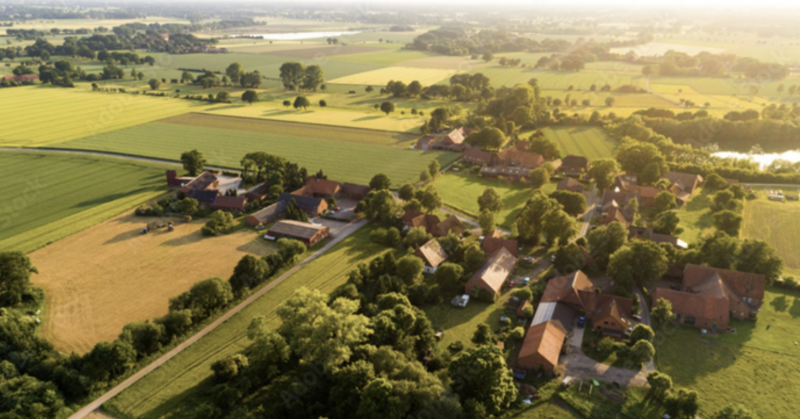
The ‘New Green Villages’ are located around the cities and in the countryside.
Existing villages have been ecologically restructured and their ‘genius loci’ has been brought out:
the special quality of each place in interaction with its surroundings and the human longing for beauty.
The geomantic features of the location are also taken into account.
The architecture, which uses sustainable building materials, takes into account the principles of feng shui, vastu and healing geometry.
New buildings are constructed in accordance with ecological guidelines, as positive energy houses or at least with minimal energy consumption and maximum water efficiency. This includes, for example, composting toilets.
For every newly built area, an area of at least the same size is renaturalised, ensuring that at least the same biodiversity can thrive there.
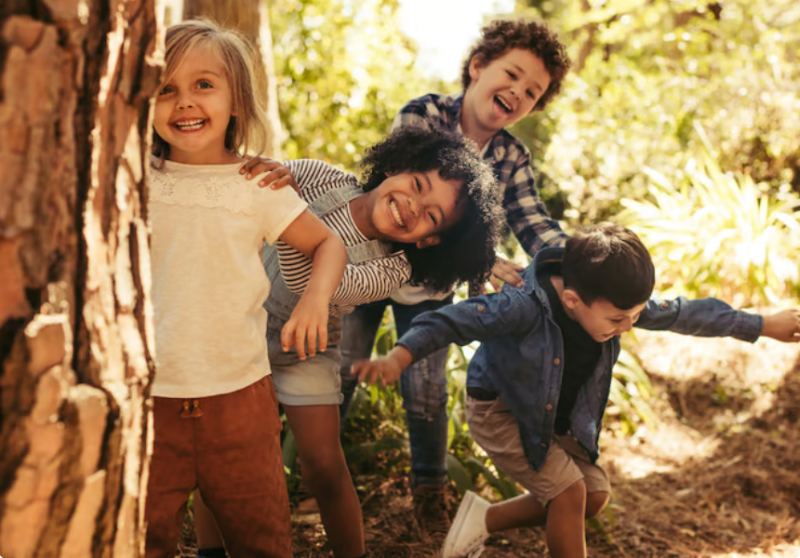
There are communities of up to 100-150 people. It is so pleasant to live in these places connected to nature, with their paradise-like garden landscapes and loving neighbours, that they attract a growing number of people who long for this harmony with themselves and the beings around them.
Living, the spaces for the unfolding of potential (forest kindergartens, spaces for unfoldment etc.), work, culture and community all take place in the neighbourhood. This strengthens the community, decentralises cities and at the same time promotes quality of life. It saves time and money and reduces traffic.
As much as possible is shared, such as agricultural equipment, tools, rarely used kitchen appliances, cars or workspaces, communal areas or studios for socialising and cultural activities.
People who have decided to live in a computer-free household can use computers here.
At the same time, there are places of retreat and rooms for working and creating alone and in silence.
In every region, there are healing rooms and bathhouses for health-promoting thermal, sulphur or alkaline baths.
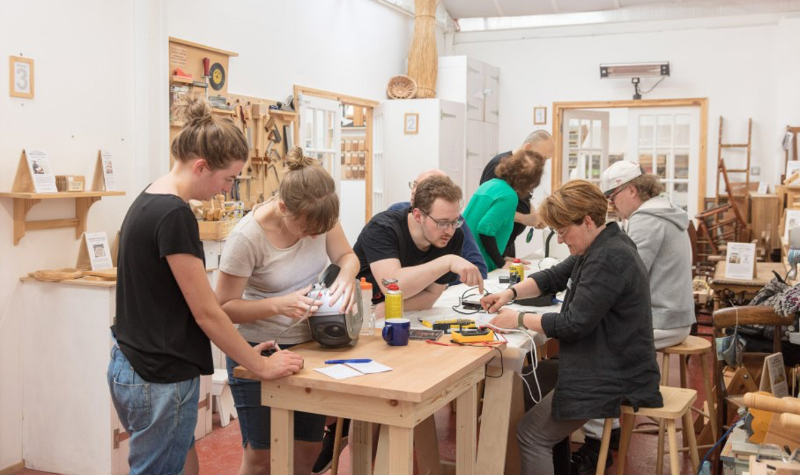
Many of us love being able to make everyday items ourselves.
And so craft businesses invite us to learn pottery, basket weaving, carpentry or the manufacture of carpets, clothing, musical instruments or the construction or renovation of furniture.
We support each other – as was the case in the past – for example, with harvesting, building a barn, roofing a house or looking after our children or elderly people. In this way, we forge bonds of brotherhood and solidarity.
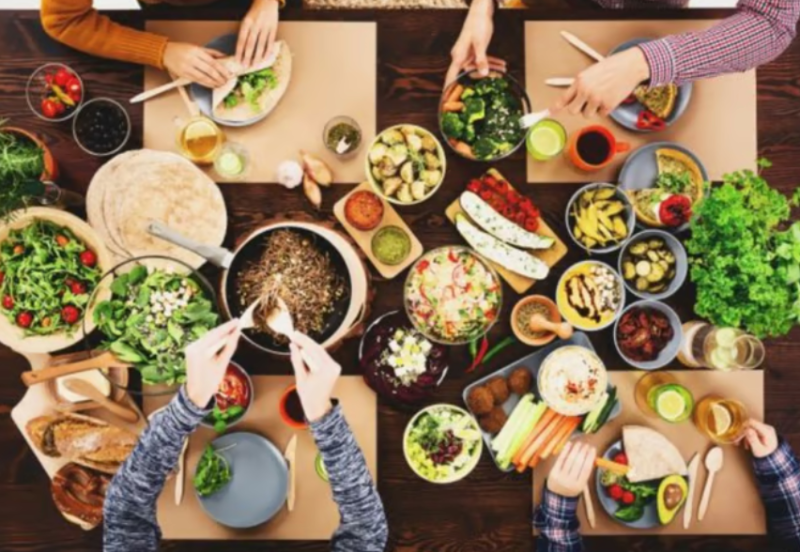
Cooking and gardening communities are forming both here in the countryside villages and in the city.
As the older members live within the community, they take care of food processing and animal husbandry. The young people learn from their wealth of experience and, in turn, inspire the adults.
.
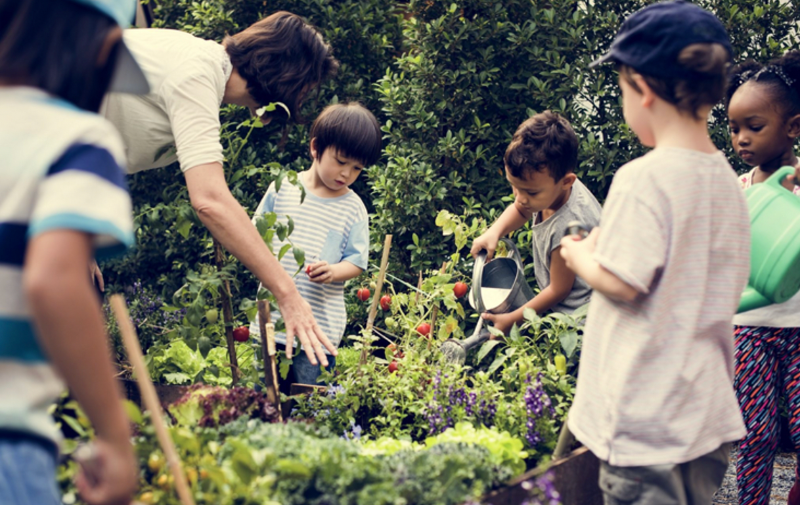
The New Villages consider the health of the people and animals living there, the health of the Earth, the formation of humus and the promotion of ecological diversity to be among their main tasks.
Both in urban and rural areas, consumers and farmers are organizing themselves into so-called “community-supported agriculture” initiatives:
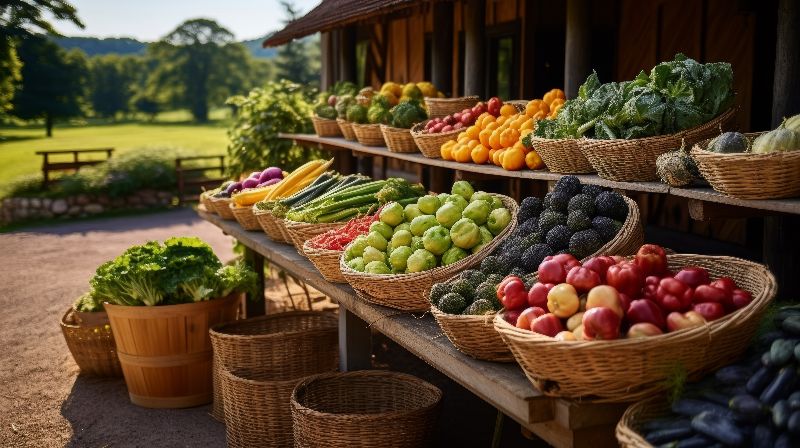
Each farmer receives a fixed monthly amount from the community, which he needs to improve soil health, buy seeds, cultivate fields, harvest crops, process food and other agricultural products, and to be able to live well with his family and animals. In return, each member of the community receives a share of these foods and products.
If needed, farmers make part of their agricultural land available to neighbouring communities in exchange for rent or labour. The communities can grow crops, create community gardens, compost or provide a habitat for animals.
In these gardens, nutrient-rich vegetables, fruit, nut trees and berries are grown according to ecological guidelines and on healthy soils. They are then mainly marketed regionally or sold in the village's own organic shop.
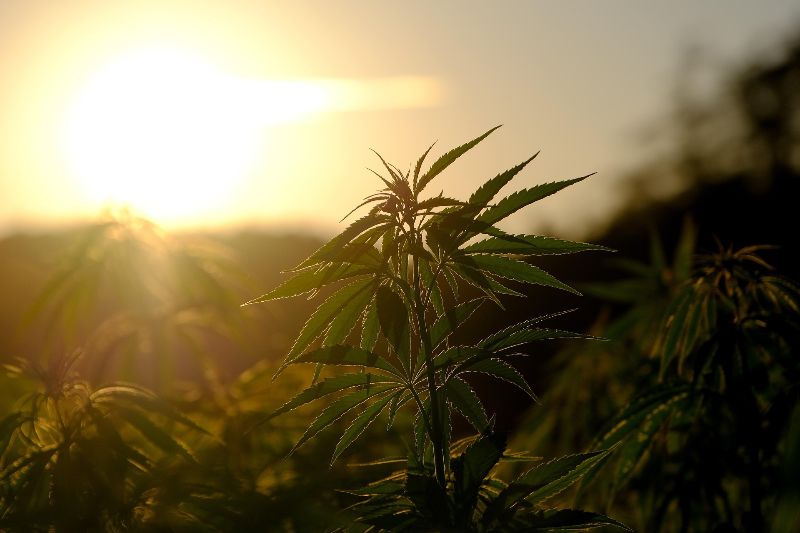
In addition to supplying food, fields play a significant role in the production of building materials and textiles. High-quality insulation materials can be obtained from hemp, flax, straw or miscanthus. Textiles can be made from nettle fibres, hemp, flax or wool from sheep grazing on meadows and orchards.
If the geological conditions of the site are suitable, the excavated material for buildings or a swimming lake can be used as clay building material for the construction of houses.
Springs and village wells are considered special places that are made freely accessible to all, specially maintained and continuously tested to guarantee the purity and vitality of the water.
Geomantic sacred sites are valued and support us in our unfoldment.
The forests adjacent to the village are further places of recreation and healing for the people.
.
To facilitate communication and fair governance within our villages and the region, all residents are offered courses on the most successful communication methods. These include, for example, non-violent communication, holacracy, sociocracy, viable system modelling (VSM) and decision-making by consent, as well as courses on building regional infrastructure.
The WWOOFing principle makes it easy for us to work on organic farms around the world in exchange for room and board. There we can learn local farming methods and cultural characteristics and network.
It also makes it easy for us to start alternative housing projects, such as eco-communities or tiny house settlements, or to live a nomadic lifestyle.
.
4.B) GREEN CITIES
Our cities are intensively greened at all levels.
The old and young trees in our cities filter fine dust, ensure a healthy microclimate, provide shade and supply oxygen. The leaves that fall from the trees in autumn serve to build up humus in the city.
The root areas of existing trees have been cleared of asphalt and concrete.
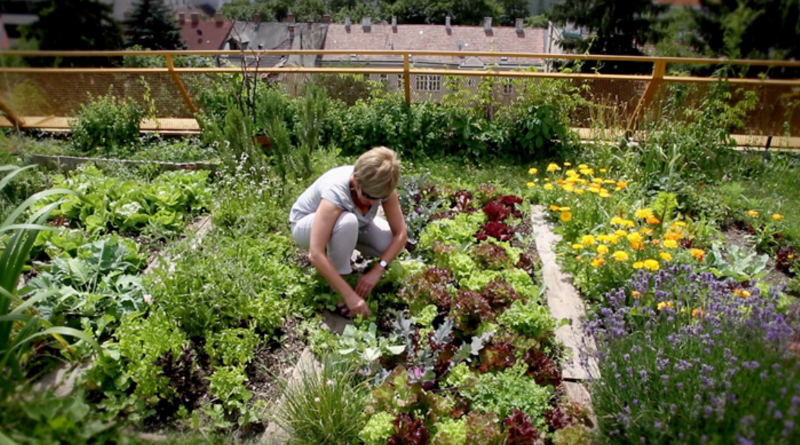
Urban gardening is transforming our cities into ‘edible cities’:
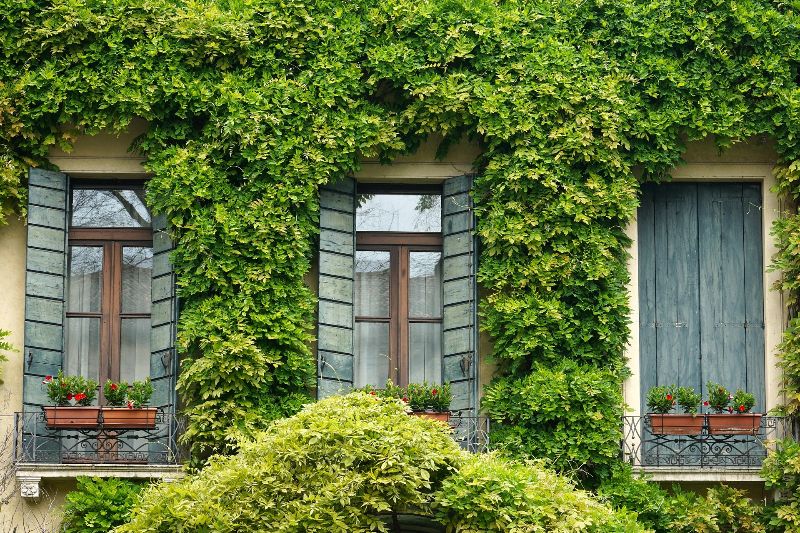
Vegetables, fruit, berries and nuts are grown everywhere. Whether in parks, former industrial areas, open urban spaces, backyards, on rooftops, balconies, facades or in vertical or raised beds on wide pavements.
Beekeeping and bee pastures within the city are welcome and encouraged.
According to the sponge city principle, rainwater is collected in large cisterns and can be used in the city as industrial or irrigation water before being filtered and returned to the groundwater.
Just like recycling, urban composting is also organised. Residents are involved in the maintenance of urban composting and, if they wish, can learn composting techniques for private use.
There are also community projects, such as a “cocottarium” – a collective chicken coop for recycling food waste, producing fresh eggs and creating social connections.
The large urban gardens have their own restaurants or cafés where fresh local and regional organic produce is served.
.
The city's residents network with surrounding farmers and businesses of the New Green Villages to form partnerships, such as “community-supported-agriculture,” (CSA) and to source products that cannot be produced in the city.
Parents with large living spaces whose children have moved out and who do not make their living space available for non-profit purposes – such as courses or conferences – are encouraged to rent this free living space to other people. This allows new residential communities to form.
Alternatively, home exchanges are offered and arranged—for example, between a young family expecting a child and an older retired couple whose children have now moved out.
.


Co-working spaces encourage networking and offer pleasant places to work.
We also enjoy meeting up at repair cafés, where craft and repair courses are regularly held.
Physical and digital ‘exchange cafés’ or ‘give-away-shops’ make it easier to find or pass on used items, books or clothing.
The villages and towns in all regions are well connected with each other so that they can make their resources (means of production, talents) available to others or exchange them.
Knowledge exchange networks facilitate the transfer of knowledge and the networking of global and local initiatives, as well as the finding and development of solutions among like-minded people.
Care is taken to ensure that each region can secure food, energy supplies, fair administration and the basic needs of its people as autonomously as possible.
.

Melde Dich an, um zu kommentieren.