
Kapitel 2
UNFOLDING OF POTENTIAL
2.A) PEOPLE ARE SUPPORTED IN REALISING THEIR FULL POTENTIAL
Today's young people
are creating tomorrow's world."As spiritually gifted beings, every child has
their own inner learning plan from birth.
Joy of life, health, self-confidence, curiosity,
ability to concentrate and cooperate, sense of responsibility,
perseverance, and active commitment to the community
can be observed in young people
who have been allowed to develop according to their inner learning plan.
Their social behavior is shaped by role models:
the more respectfully and attentively
a child is treated, the more attentive and respectful
they will be in their own interactions with themselves,
nature, and their fellow human beings."
Alexandra Terzic-Auer"You can only learn in a truly sustainable way
if you approach your work with passion, enthusiasm,
and a deep sense of joy."
Gerald Hüther
"The consequences of enthusiasm
are skills and competencies.
And skills and competencies lead to success."
Chris Fader
People treat each other as equals, regardless of their age.
Young people are supported in remembering the extraordinary human potential that is inherent in all of us and our divine origin.
They grow up in a loving, safe environment that ensures healthy self-awareness and self-esteem. They are encouraged to find their individual biorhythm, to follow their curiosity and thirst for knowledge, to question what they have learned, to think for themselves, and to find answers within themselves.
As guides to freely developing individuals, the teachers are filled with a desire to accompany each person to their highest potential.
The shared joy and love for one another acts as a “fertilizer for the brain,” making it easy to remember new discoveries.
The first place for life and heart education is the nuclear or "heart "family.
The second place is the community/village/neighborhood, where “spaces for unfoldment” are available. These are designed jointly by all people involved. Everyone is free to choose where they want to unfold themselves.
Young people are provided with self-organized "experimentation spaces" where they can put their ideas and dreams into practice.
In these spaces, people of all ages can playfully indulge their innate joy of discovery with all their senses. This happens individually, taking into account their physical, emotional, intellectual, and spiritual needs, and above all in direct connection with nature.
These spaces are creative adventure playgrounds. Here, practical, artistic, philosophical, or spiritual questions—the exploration of the world—are solved not exclusively through the mind, but through the interaction of body, heart, and spirit.
.
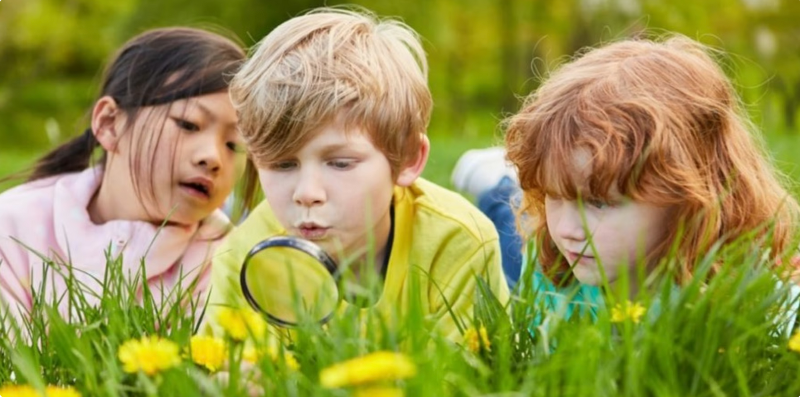
Here, from an early age, young people are not only taught about the laws of nature, but also experience and deepen their understanding of them through direct contact with soil, forests, farms, gardens, water, plants, and animals.
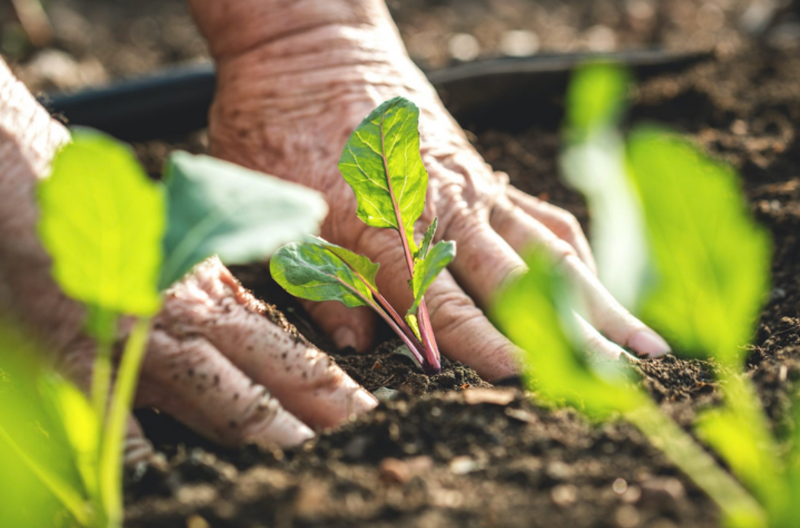
What an adventure it is to experience the life cycle of a plant from sowing, growing, harvesting, preparing, and finally composting. Or to recognize the edible wild herbs along the way and feel their healing effects firsthand.
Cross-species communication is an integral part of the journey of discovery.
Young people are invited to strengthen their bodies and develop inner and outer balance through a variety of movement and breathing exercises. Mindfulness games awaken their joy for their vitality.
Team sports open their senses to each other, train their nonverbal communication skills, and allow them to develop team spirit.
From the very beginning, the young people practice mindful communication, conflict management, and collective decision-making processes.
They learn to navigate their feelings and master their emotions.
Every form of creative and artistic expression is welcomed, taught, and encouraged. There are theater performances in which young people can also solve stage design problems or learn how to make costumes.
Daily singing—such an important form of expression for the soul—promotes heart intelligence, releases fears, and raises the vibrational frequency of the physical body.
Young people are encouraged to form their own small orchestras and choirs. Some discover their talents as dancers, theater painters, or makeup artists, while others test their skills as technicians or organizers.
“Main subjects,” as they were characteristic of former schools – such as reading, arithmetic, writing, natural sciences, and foreign languages – are naturally integrated into the exciting experiences of free education.
Reading and writing, for example, are often discovered in order to understand or compose languages, recipes, or texts for various interesting projects. Arithmetic is practiced in order to build objects in nature or in rooms.
Sacred geometry is experienced as a basic building block of matter in biology or physics when designing or building a new type of machine.
.
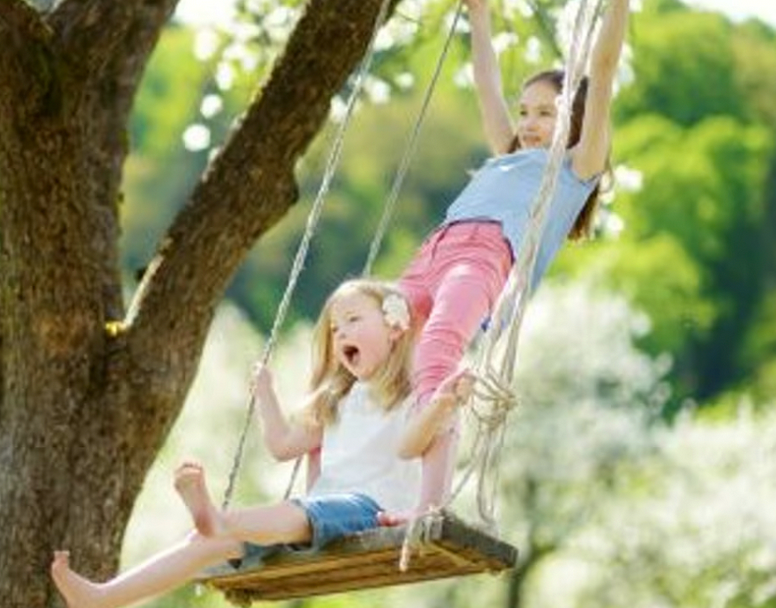
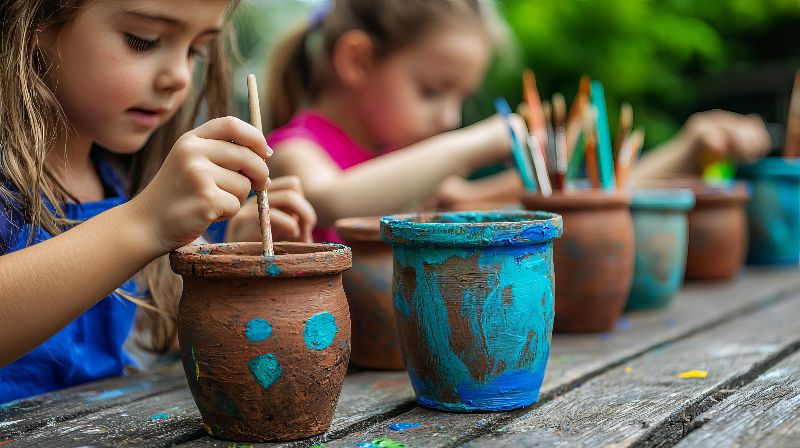
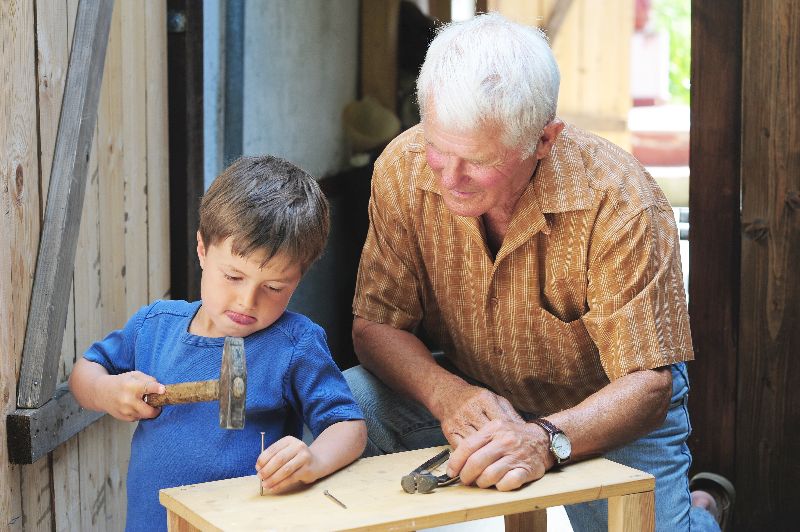
This means that every craft business can become an extended classroom. Carpentry teaches students about length measurements and angles, while planning greenhouses or vegetable beds teaches them about biodiversity, annual cycles, the sun, photosynthesis, and humus formation.
When preparing lunch for large or small groups, it is important to understand fractions and multiplication.
Experiencing a variety of activities in a practical way helps people find their calling.
Of course, people are encouraged to pass on their new knowledge to others.
Until the age of 14, access to computer aids is avoided, while creativity, imagination, inspiration, and intuition are stimulated and encouraged.
The focus is primarily on people's individual strengths.
Making mistakes is a natural and important process of discovery and understanding.
In the first phase of education, young people are lovingly supported in a protected environment and are allowed to discover who they are and what they are interested in through play.
Natural and practical life is the great teacher.
After that, technical and university courses are available.
Exams and grades are replaced by festive occasions where young people can present individually or in groups what they have done, created, discovered, or practiced.
Particularly important is the cultivation of the heart and the formation of a new awareness of the interconnectedness of all life and our essential role within it.
2.B) FREE ACADEMIES – COURSES FOR A NEW CONSCIOUSNESS
In collaboration with brain researchers, peace researchers, therapists, happiness researchers, spiritual teachers and coaches from various disciplines, courses are being developed that support a new awareness of what it means to be human and of human development in harmony with nature and the laws of nature.
This new awareness is brought closer to all people in ‘free academies’.
Especially those who accompany or teach others—to prepare them optimally for their important task.
The courses for BEING HUMAN cover the following areas:
- pregnancy, childbirth, and breastfeeding
- Heart education, intuition and joy
- Structures and levels of consciousness
- Finding your individual calling
- Peaceful and mindful communication
- Collective decision-making processes
- Emotional work
- Mindfulness and meditation
- Shadow work and trauma release
- Breathing as healing work
- Health and nutrition in harmony with nature
- Plant and herbal medicine
- Sustainable living and self-responsibility
- Healing and self-healing techniques
- Detox and parasite removal
- Frequencies and energy medicine
- The principles of life energy and their practical application
- Dreaming and alternative states of consciousness
- Sacred geometry and its practical application
- Insights into different world views, reflections on reality
- The laws of nature and the cosmic laws and cycles
- Ritual studies and practice, annual cycles and nature festivals
- Communication with animals, other forms of consciousness and subtle beings
- Sharpening the senses and expanding the inner senses (clairvoyance, clairsentience, etc.)
- Reduction of possessions, letting go and true fulfilment
- The return of the sacred feminine and masculine to our society
- Sexuality and its sacred dimension
- Conscious and responsible parenting
The courses for HUMAN DEVELOPMENT cover the following areas, for example:
- Development of sustainable agricultural systems through communities of responsibility
- WE culture – new forms of coexistence and cooperation
- Finding the purpose of the community, the nation and humanity
- The development of new social structures
- ‘Free’ development of culture, education, information, research and religion
- Equal rights and fair administrative structures
- Fraternal economic life for the fair satisfaction of individual needs
- Development of sustainable monetary systems
- Healing people in harmony with nature
- Renaturation of the earth
- Understanding and feeling ecosystems and their living beings
- Building biology and geomancy
- ‘Do-it-yourself’ – self-empowerment & self-responsibility
- Development of exemplary places to work and live (cultural oases)

2.C) NEW UNIVERSITIES
Every phenomenon interactswith all levels of being.That is why we value integral perspectivesand promote the interaction of all sciences.
The university education system for healthcare professions has undergone an urgent paradigm shift:
New findings in quantum physics, epigenetics, psychoneuroimmunology and consciousness research, as well as New Medicine and proven techniques previously referred to as ‘alternative healing methods’ are now being integrated.
Agricultural training now focuses exclusively on sustainable practices that are in harmony with all life. Particular attention is paid to the fascinating qualities of the forest, humus soil, soil life, plants and water, and their vital interaction.
The previous reductionist approach to education has been replaced by a holistic perspective on the principles of life.
Instead of the law of the strongest, the principle of cooperation is taught as the basis of life.
From the beginning, all students participate in a potential development programme:
Artistic courses in painting, music, eurythmy, dance and singing, and the experiences associated with them, enable young people to discover themselves and overcome inner limitations. Here they develop and strengthen their individual human potential.
In this potential development programme, students from all disciplines also gain a fundamental understanding of topics such as the intelligence of nature, soil structure and soil life, agriculture, circular economy, nutrition, healing, communication and entrepreneurship.
From the beginning, students are in close contact with the practical environment for which they are studying. Through their internships, they support the communities. For example, physiotherapy students can help farmers or craftsmen to heal or strengthen their musculoskeletal system, while agriculture students can lend a hand to farmers in the fields and learn from their practical experience at the same time.
Only people who feel joyfully called to do so teach. All teachers learn innovative forms of teaching in courses that provide their students with the best possible support, and they themselves are also accompanied in their personal development.
Science, research and universities are financially and substantively independent of political or economic interests. The various fields cooperate to develop new ideas for the future of us all.
The new universities are therefore ‘future workshops’ in which teachers and students, driven by natural curiosity and inspired by collective intelligence, conduct research together on an equal terms.
Knowledge is shared in such a way that it opens up a new awareness. Questioning existing scientific principles is not only accepted but constructively supported.
In this way, we can reach new horizons of human knowledge together.
.
2.D) CRAFTS TRAINING
Young people come into contact with various crafting professions at a very early age in order to learn about them and get a feel for whether they would like to learn such a craft later on.
Together with university students, young craftspeople also undergo a programme designed to develop their potential.
In our cultures, craftsmanship is highly valued.Universities often cooperate with craft training companies in order to try out new inventions in practice and develop them further.
.

2.E) OUR CULTURAL EXPRESSION
Culture, creativity, imagination, inspiration and intuition are fundamental forces of individual and collective development and are given at least the same importance as intellectual development.
We experience art as an important, healing and – at the same time – highly inspiring and influential expression of the soul.
And so art, such as painting, sculpture, theatre, music, singing, dance, literature and architecture, is promoted everywhere.
Films are also produced with the awareness that they have a direct influence on the subconscious.
At the regular markets, where regional trade takes place and people meet and network, artists have space to present their arts, such as music, dance, theatre or acrobatics.
In the same way, homemade goods, arts and crafts and handicrafts can be spread.
We respect and revive the diverse myths, the culturally different world views of ancient and more recent cultures, and the ancient customs, music, dances, songs and languages of our ancestors. We do this in the knowledge that our deep roots give us stability in the here and now.
We value the power of the different languages of this earth and promote their individual, pure, original expression.
To promote a better understanding of other cultures and customs – and to experience the abundance of beauty on our planet – exchange visits are offered to everyone.
The experiences gained there and the new knowledge acquired are shared with others in public lectures or exhibitions.
.
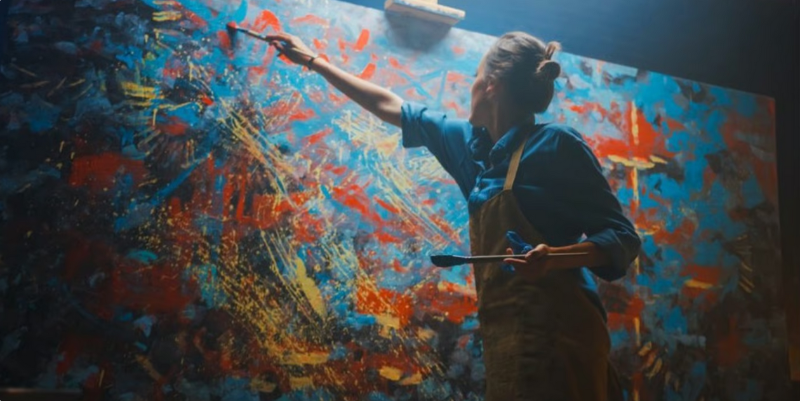
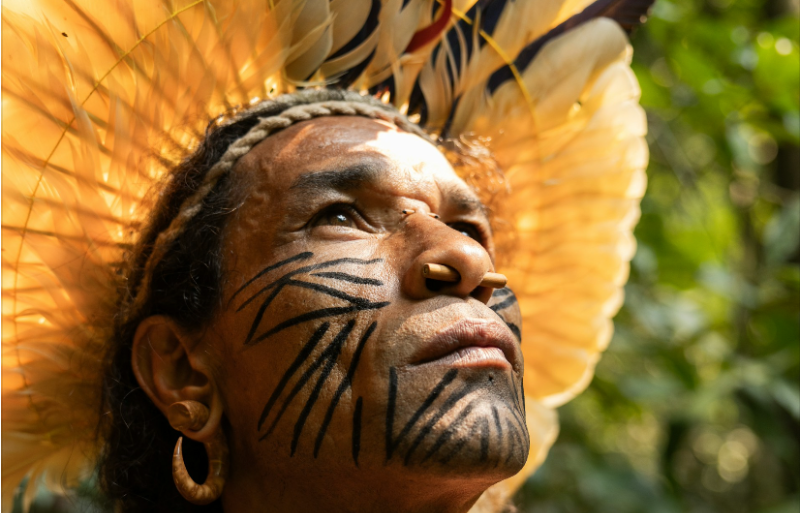
We gratefully exchange ideas with indigenous peoples whose connection to the earth, to ‘Mother Nature,’ is still conscious and alive. We share our insights and experiences with respect and mindfulness. The knowledge gained from this is applied to the healing of people and nature.
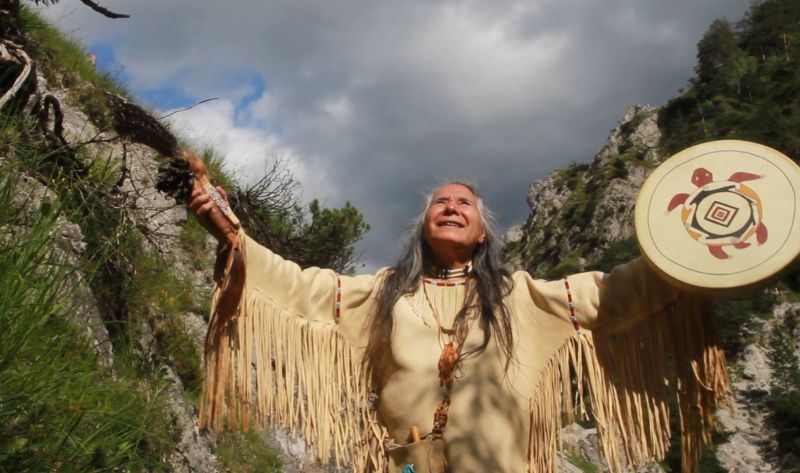
2.F) WE AGE HEALTHILY AND IN COMMUNITY
From now on, growing older willno longer be associated with frailty and senility,but with maturity and wisdom.
Aging people remain with their families and loved ones as much as possible and, if necessary, receive support from well-trained caregivers.
Courses are offered for family caregivers to teach them skills to support their relatives both physically—for example, in regenerating the musculoskeletal system—and mentally and spiritually.
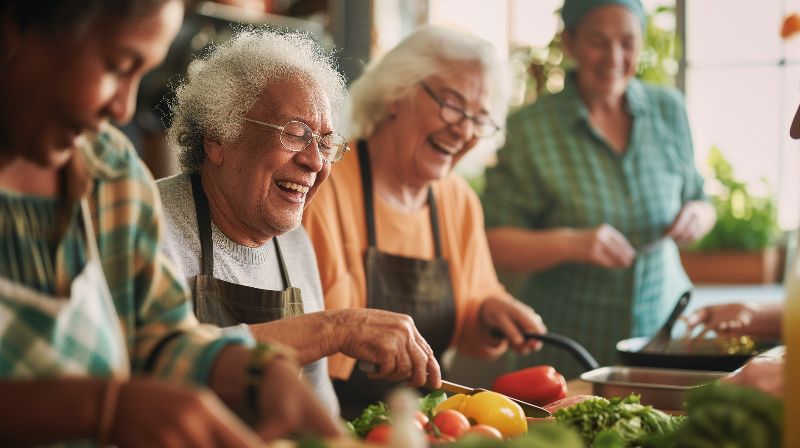
In the local "houses of life" (formerly known as "retirement homes"), healthy meals are cooked together and people work together in the gardens.
.
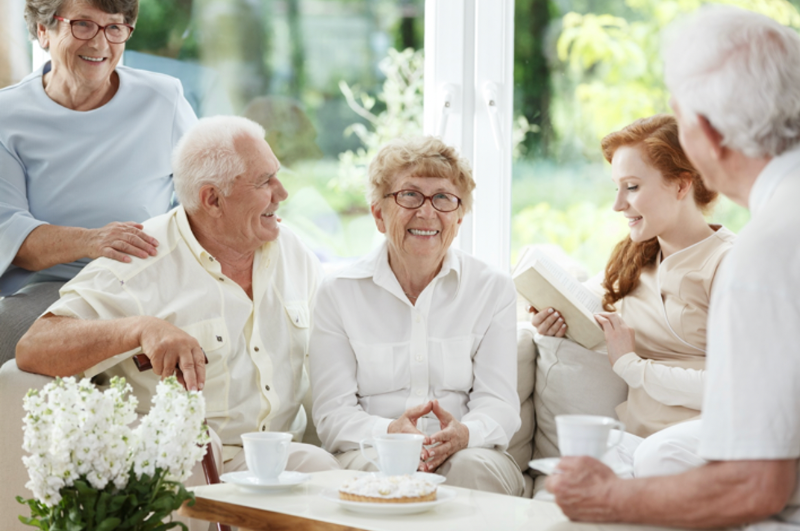
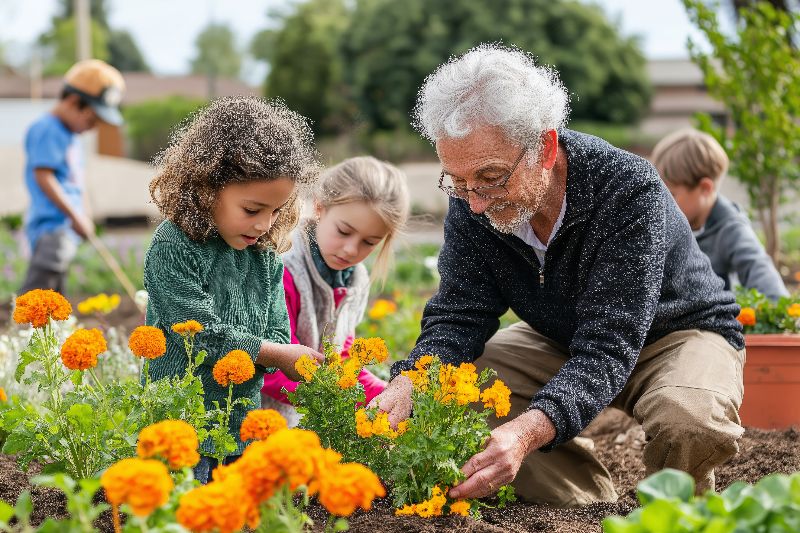
Forest kindergartens and "unfolding spaces" but also farms and zoos, are affiliated with these "houses of life" whenever possible. Young people learn to read and write with the elderly, for example, or find among them engineers, artists, craftspeople, farmers, firefighters and pilots – experienced adventurers who share with them about their interesting professions and do practical exercises with them.
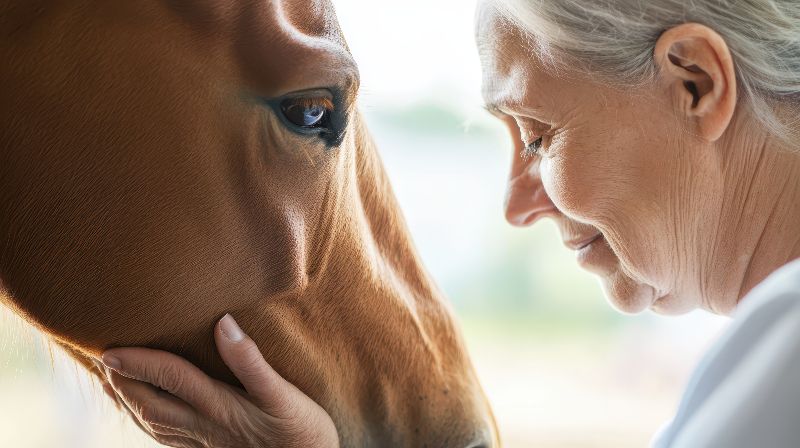
Young and old flourish together and in their interaction with animals and light agricultural activities.
Older people are also given the opportunity to catch up on what they missed in their younger years.
The goal is to age healthily and in fulfilment of our soul's purpose.
.
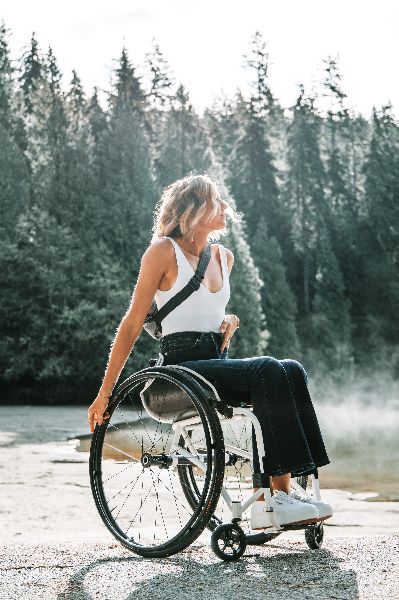
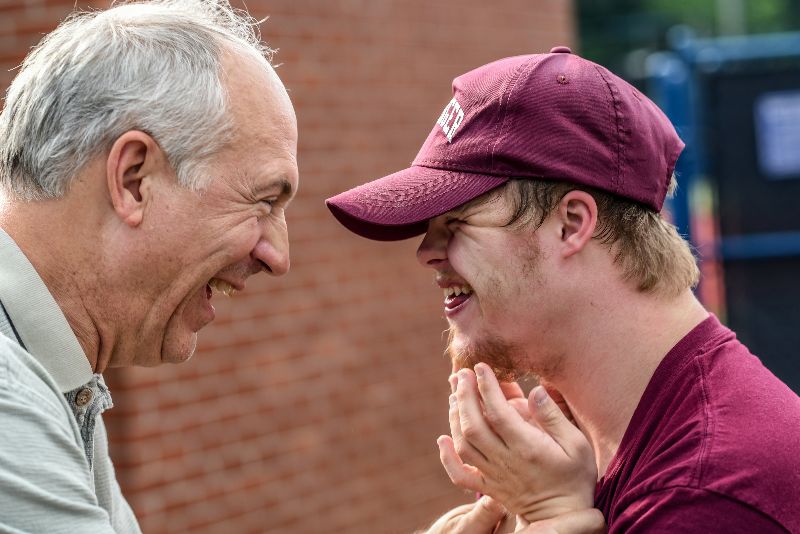
2.G) PEOPLE WITH DISABILITIES ARE INTEGRATED INTO SOCIETY
The view of disability has changed:
it is now seen as a unique ‘otherness’ that everyone involved – from family to institutions and society – knows how to respect.
People who cannot see can teach us to feel more intensely or to hear a space. Many people with disabilities teach us to feel the silence. Their presence helps us to become aware of our own presence. They often trigger our shadows and teach us to integrate these shadows.
.
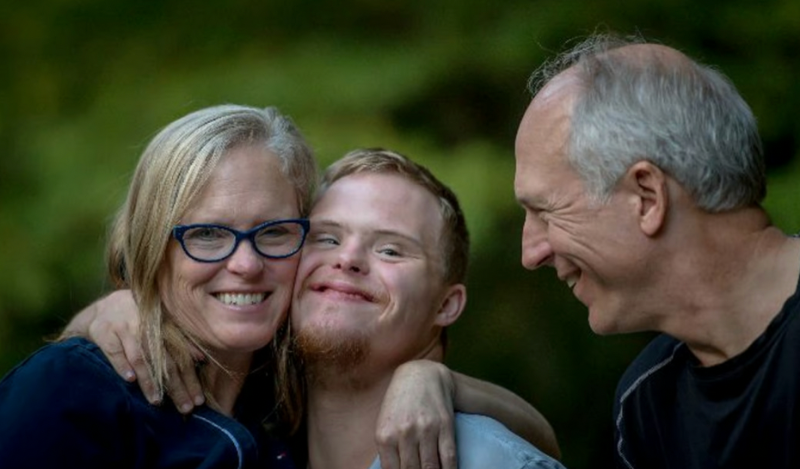
Therapists, nurses, doctors and carers are trained to support people with disabilities in a positive and forward-looking manner.
They are also supported to find their calling and discover their talents.
People with disabilities live independently wherever possible.
Adapted flats and shared accommodation integrated into healthy natural surroundings are provided. And steps are taken to ensure that they can participate in everyday life.
There are also adapted fitness centres with special programmes to suppoert these people regain their mobility.
Wherever possible, adaptations are made so that all people with disabilities can move as freely as possible.
.
2.H) NEW WAYS OF TRAVELLING
Travellers choose the most environmentally friendly means of transport.
It is no longer about the speed of travel, but about the richness of interactions along the route.
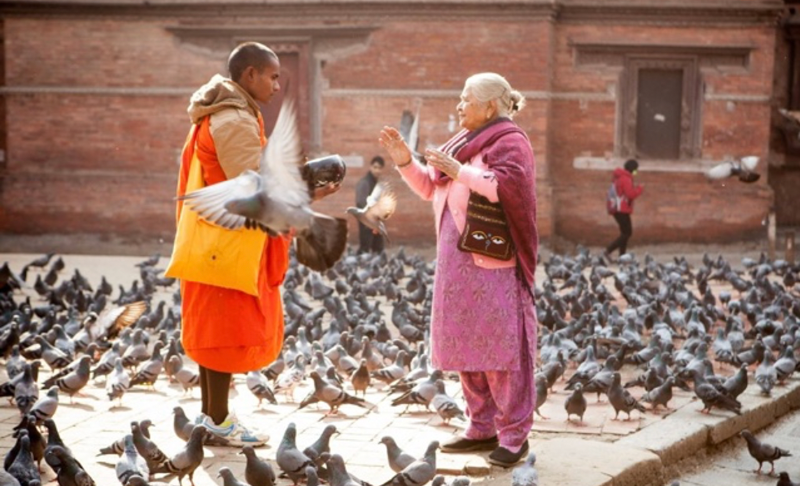
Instead of ‘consuming’, travelling now becomes an opportunity to get to know other people, new cultures,ways of life, exciting landscapes or ecosystems, and to discover oneself in the process.
Many people travel for humanitarian or ecological purposes to support other people or the Earth in their healing processes.
Through our travels, we become truly aware of how much the Earth gifts us and how we as humans can not only take, but also give in the same way.
.
2.I) ALL PEOPLE HAVE REGAINED THEIR SOVEREIGNTY
People from formerly exploited countries are free and independent of other countries or organisations.
Cultural and collective traumas have been carefully addressed and processed everywhere.
People from ancient indigenous cultures once again have land at their disposal where they can live in harmony with nature and the cosmic order and cultivate the traditions of their ancestors.
All people have found their cultural identity, live it and feel valuable and worthy again.
Poverty no longer exists. All people on Earth have access to regionally produced healthy food and medicines, clean drinking water and a roof over their heads.
.
Melde Dich an, um zu kommentieren.